
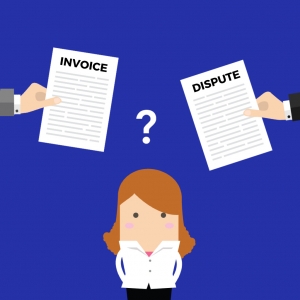
Unpaid Invoices Can Be Categorised into Three Main Groups
- Can’t Pay/Cash Flow Constraints
- Won’t Pay
- Valid Reason Not to Pay/Disputes/Cash Flow Constraints.
The best way to avoid disputes is to have a good process in place, but experience tells us that regardless of this most businesses will experience disputes at some point.
By being pro-active you can verify your invoice has been received and approved for payment when it is due before the actual payment date. This can be done by telephone or email and will help catch disputes and potential problems with payment early.
If your customer does raise a dispute or advise of a problem do your best to get them to put the problem in writing with some form of evidence, it is important to establish the reason and value quickly.
Our Top Five Disputes are:
Unsatisfactory Work
If you have provided a service and it was provided as quoted, on time at the right place for example a haulier may quote to pick up and deliver x pallets by a given date and time. As long they do so for the price agreed in the timescale agreed and can prove it then the haulier should be paid, even if the pallets were of the wrong product. In that case the dispute is with the Company who they purchased the goods from.
If you delivered a service or product such as Painting or Goods then they must be as described, the right quantity and quoted price and of an acceptable standard. Those in the trades should cover themselves by obtaining a signed completion and satisfaction note.
Faulty or Damaged Goods
If you have supplied good s under warranty then you should have a process pre agreed with customers to follow in the event of faulty goods, such as return them for inspection or repair. Perhaps a specific timescale.
If your customer claims that they have had to incur costs to replace/repair your work or product then it stands to reason they should have notified you first, can they evidence the costs to you? Are the costs reasonable?
If the amount disputed is small is cost effective to argue, can they simply deduct the amount, If the invoice is higher than the amount disputed then ask for them to pay the undisputed part or release an interim payment leaving the disputed amount outstanding whilst you look into the dispute.
Late Delivery
Most businesses should ensure that their terms and conditions cover off this matter, if you offer a number of delivery options and your customer selects their preferred option, a disclaimer often covers any claims off.
Hauliers cannot be penalised for accidents on the motorway or flash floods etc as there are unpredicted “Force Majeure” events.
That is not to say that there are not occasions where goods are delivered to the wrong address in error, always consider the relationship with the debtor. This applies especially when your customer is wholly reliant on the delivery being received on time for instance where goods are perishable, or for shipping overseas and must reach the port by a given time.
Never Agreed Additional Costs or Claim They Were Not the Informed of Price Increases
This is an area that Tradesmen and a number of small business fall at the first hurdle with, whilst a contract can be verbal it is almost impossible to prove if there were no witnesses.
Always use terms and conditions, clear quotes and ensure that you advise the right people, remember you are in many cases dealing with someone such as a Business Development Manager or site Manager, you should also liaise with the accounts department.
Can’t Pay/Cash Flow Constraints
Whilst technically this is not a dispute it is the most common reason behind a dispute being used as a delaying tactic, if you are presented with something you believe to be a delaying tactic, consider your response carefully. Often the person in accounts is not fully aware of the situation, blasting off emails and text messages often makes matters worse.
Take a step back, explore options even if it is causing you distress. Can they pay some of it and the balance later? If they are genuinely struggling to pay can you take a smaller sum in settlement rather than wait sometimes months or never for all of it. If they propose a payment plan, consider it the courts will not look favourably on a continued action if the debtor proposed reasonable repayments which would have seen a considerable amount of the debt paid by the time the matter came into court.
Remember you cannot recover money that is not there, no amount of court or legal action is going to resolve the situation.
In all the above scenarios a good Credit Policy and Credit Control running alongside a good Sales Order Processing system will help ensure the minimum amount of delays disputes which could adversely affect your cash flow.


